

Natural Bamboo Flooring Maintenance Tips That Save Time and Money
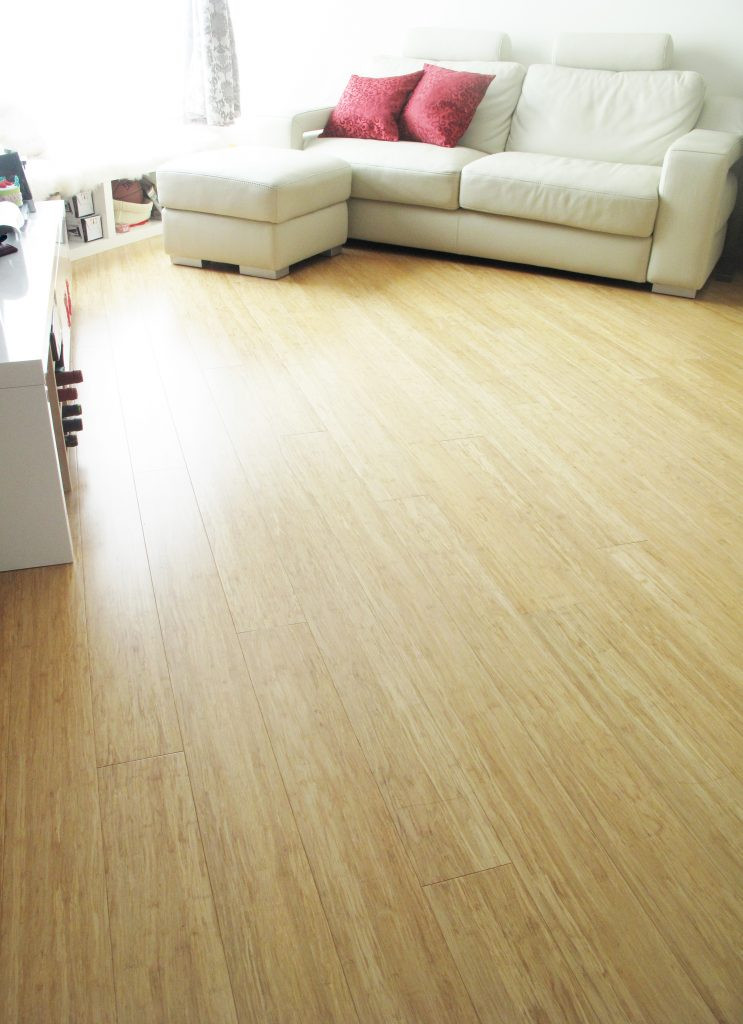
Natural bamboo flooring brings an immediate sense of organic warmth and bright, modern energy to an interior space. For eco-conscious buyers, it represents a highly renewable choice that does not sacrifice aesthetic appeal or structural integrity. The uncarbonized, blonde tones of natural bamboo reflect light beautifully, making rooms feel expansive and clean. However, the key to ensuring this investment retains its factory-fresh appearance for decades lies in how it is treated after the installation crew leaves.
Maintaining a natural bamboo floor does not have to be a labor-intensive chore that eats up your weekends. By understanding the physical properties of the material and adopting a few smart, preventative habits, you can streamline your cleaning routine. This proactive approach prevents the need for expensive, premature refinishing or board replacement down the line, ultimately saving you significant time and money.
Understanding the Material You Are Protecting
Before implementing any cleaning routine, it is helpful to understand exactly what you are sweeping and mopping. Natural bamboo is not traditional wood; it is a highly engineered grass. In its natural, uncarbonized state, it retains its maximum original hardness because the fibers have not been subjected to the high-heat steaming process that creates darker caramel colors.
Whether your floor features the horizontal grain with its distinct, rhythmic nodes, or the sleek, pinstriped vertical grain, the surface is protected by a factory-applied finish. In most high-quality products, this is a multi-layer aluminum oxide coating cured under ultraviolet light. When you clean your floor, you are technically cleaning this clear protective wear layer, not the raw bamboo fiber itself. Every maintenance tip is designed to protect that specific transparent shield. If that shield wears away, the bamboo underneath becomes vulnerable to permanent staining and structural damage.
The Daily Defense: Winning the War on Grit
The most insidious enemy of any hard surface floor is microscopic grit. Sand, dirt, and tiny pebbles tracked in from outside act like sandpaper against the aluminum oxide finish. As foot traffic grinds these particles into the surface, the floor slowly loses its luster, developing a dull, cloudy appearance that no amount of chemical cleaning can fix.
The most effective, time-saving habit you can develop is frequent dry dust-mopping. Utilizing a wide microfiber dust mop takes only a few minutes a day for a standard living room. Microfiber naturally generates a static charge that attracts and traps dust and pet hair without simply pushing it around.
If you prefer a vacuum, it is critical to use a model specifically designed for hard surfaces. You must disengage the rotating beater bar. The stiff bristles on a beater bar are designed to agitate carpet fibers; on a bamboo surface, they act like a high-speed abrasive brush that will systematically scratch the finish. Using a vacuum with a soft felt head or a simple suction-only wand attachment is the safest, most efficient way to pull dirt out from the micro-bevels between the planks.
Mopping Mechanics: Less is Always More
When the floor requires more than a dry sweep to remove sticky spills or smudges, wet mopping becomes necessary. This is where many well-intentioned homeowners make costly mistakes.
Natural bamboo is highly sensitive to liquid. While the surface finish repels water briefly, moisture can easily seep into the seams between the boards. Once water reaches the unprotected sides or the core of the bamboo, the grass fibers act like a sponge. They will swell, causing the edges of the planks to curl upward—a condition known as cupping. If the moisture is severe enough, the adhesive binding the bamboo strips together can fail, leading to delamination.
Therefore, the traditional "bucket and string mop" method must be entirely avoided. You should never leave visible standing water on the floor to air dry. Instead, use a lightly damp microfiber mop. You can lightly mist the cleaning solution directly onto the mop pad or apply a very fine, sparse spray directly to the floor. The moisture should evaporate almost immediately after the mop passes over it.
Furthermore, steam mops are catastrophic for bamboo. The high-heat vapor is forcefully injected downward, penetrating the seams and attacking the internal adhesives. Using a steam mop can void your manufacturer's warranty and ruin a floor in a matter of months.
The Chemistry of Cleaners: Keep it Neutral
The cleaning solution you choose dictates the long-term clarity of the floor's finish. A widespread piece of household advice recommends using a mixture of water and white vinegar to clean hard floors. For natural bamboo, this is a terrible idea. Vinegar is highly acidic. Over time, that acid slowly etches and dulls the polyurethane or aluminum oxide topcoat.
Similarly, oil-based soaps, wax-based polishes, and heavy-duty household degreasers should be kept far away from your flooring. Oils and waxes leave a sticky residue that acts as a magnet for dirt. This creates a hazy buildup that requires intensive chemical stripping to remove.
The most cost-effective and protective approach is to purchase a pH-neutral cleaner specifically formulated for bamboo or polyurethane-finished hardwoods. Because you are only using a very light mist, a single bottle of high-quality, pH-neutral cleaner can last for many months, making it an incredibly economical choice.
Preventative Strategies: Stopping Damage Before it Starts
The cheapest problem to fix is the one that never happens. Implementing preventative measures drastically reduces the time you spend actively cleaning and protects the physical integrity of the floor.
Strategic Rug Placement: The entryways to your home are the primary defense zones. Place high-quality, heavy-duty mats both outside and inside all exterior doors. These mats capture the majority of abrasive dirt and moisture from shoes before it ever reaches the bamboo. However, pay close attention to the backing of your indoor rugs. Avoid rugs with solid rubber or latex backings. These materials can trap moisture against the floor and undergo a chemical reaction with the floor’s finish, causing permanent discoloration. Opt for colorfast rugs with woven backings, and use a breathable felt rug pad underneath.
Furniture Protectors:
Heavy furniture represents a constant threat of scratching and gouging. Every chair leg, sofa foot, and table base must be equipped with thick felt pads. Because dining chairs are pushed and pulled multiple times a day, their pads wear down and collect grit. Inspect and replace these felt pads every few months. Never slide heavy appliances or furniture across the floor. If you must move a refrigerator or a heavy credenza, use specialized hard-floor sliders or lay down thick sheets of protective plywood to distribute the weight.
Environmental Controls: Managing the Indoor Climate
Homeowners familiar with the robust durability required for exterior projects—such as installing heavy Merbau timber or Wood-Plastic Composite (WPC) decking—often carry those heavy-duty maintenance assumptions indoors. However, managing an interior bamboo floor is a completely different science. Unlike outdoor decking materials engineered to withstand harsh weather, rainouts, UV degradation, and massive temperature swings, indoor natural bamboo requires a tightly controlled environment.
Bamboo is a hygroscopic material. It continuously interacts with the air around it. If the indoor air is too dry, the bamboo will release its internal moisture and shrink, causing unsightly gaps between the planks. If the air is too humid, the bamboo absorbs moisture and expands, which can cause the floor to buckle and heave off the subfloor.
Maintaining your home's relative humidity between 40% and 60% is non-negotiable for the long-term health of the floor. Investing in a simple, inexpensive digital hygrometer allows you to monitor the indoor climate accurately. Depending on your geographic location, you may need to run a humidifier during the dry winter months when the heating system is running constantly, and utilize an air conditioner or dehumidifier during the muggy summer months. This invisible maintenance step saves thousands of dollars by preventing catastrophic structural failure.
Addressing Spills and Accidents
Life happens, and spills are inevitable. The speed of your reaction is what saves the floor. Whether it is a dropped glass of water, an ice cube that slid under the sofa, or a pet accident, liquid must be wiped up immediately.
Pet urine is particularly damaging because of its high acidity and ammonia content. If left to dry on the surface, it can permanently burn the finish and stain the bamboo fibers deep below the surface, creating dark spots that cannot be sanded out easily. Keep a soft, absorbent cloth accessible in main living areas so spills can be addressed the moment they occur.
Recognizing the Limits of Maintenance
Even with the most meticulous care routine, a floor that sees daily life will eventually show signs of wear. Micro-scratches from pet claws and subtle dulling in high-traffic hallways are natural parts of a floor's lifecycle.
When the finish begins to look universally tired after a decade or more, do not attempt to restore it with off-the-shelf "rejuvenating" liquids from the hardware store. These often contain acrylics that look good for a week but soon peel and flake. Instead, consult a professional flooring contractor. Natural bamboo can typically be subjected to a "screen and recoat" process. This involves lightly abrading the top layer of the finish—without sanding down into the raw bamboo grass—and applying a fresh coat of polyurethane. This relatively inexpensive procedure restores the factory shine and extends the life of the floor by another decade.
A Long-Term Perspective on Floor Care
Taking care of natural bamboo flooring is an exercise in consistency rather than intense labor. By relying on daily dust mopping, strictly avoiding excess water, using the correct pH-neutral chemistry, and managing your indoor climate, you bypass the heavy, exhausting scrubbing that damages lesser materials. This streamlined approach preserves the bright, linear aesthetic of the bamboo, ensuring that your home remains a showcase of sustainable design and thoughtful architecture for years to come.